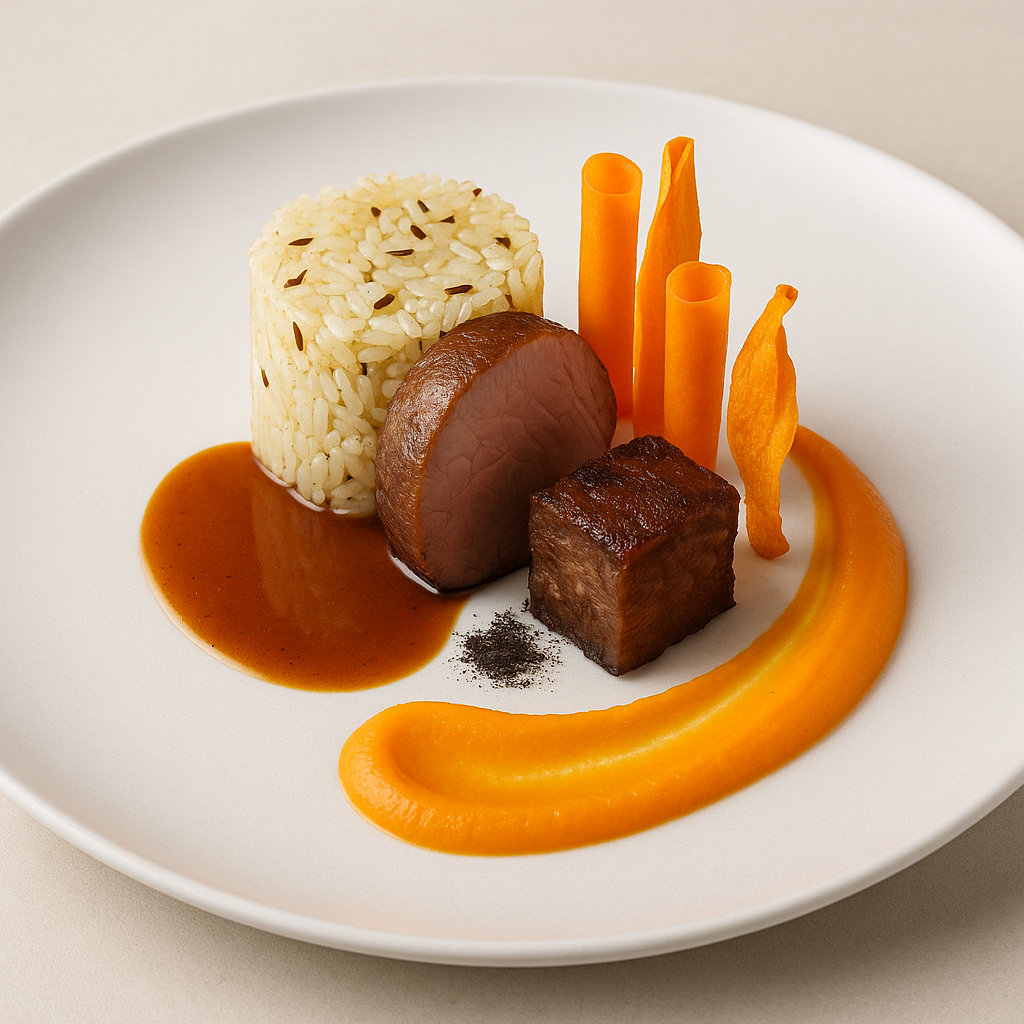
Beshbarmak is the national dish of Kazakhstan and one of the most important foods in Central Asian nomadic culture. The name beshbarmak translates to “five fingers,” referring to the traditional practice of eating the dish by hand rather than with cutlery.
The dish originated among Kazakh nomads, whose lifestyle depended heavily on livestock such as horses and sheep. Boiling meat was both practical and efficient for mobile communities, preserving nutrients while producing a rich broth. Homemade noodles were added to make the meal more filling and suitable for sharing among large groups.
Beshbarmak was historically reserved for significant events such as weddings, funerals, and honored guests. The communal serving style, with meat placed at the center of a platter and noodles arranged around it, reflects deep cultural values of hospitality, respect, and unity.
Even today, Beshbarmak remains a symbol of Kazakh identity. Although modern versions may use beef, the traditional preparation with horse or sheep meat continues to hold strong ceremonial importance, preserving centuries-old culinary customs.