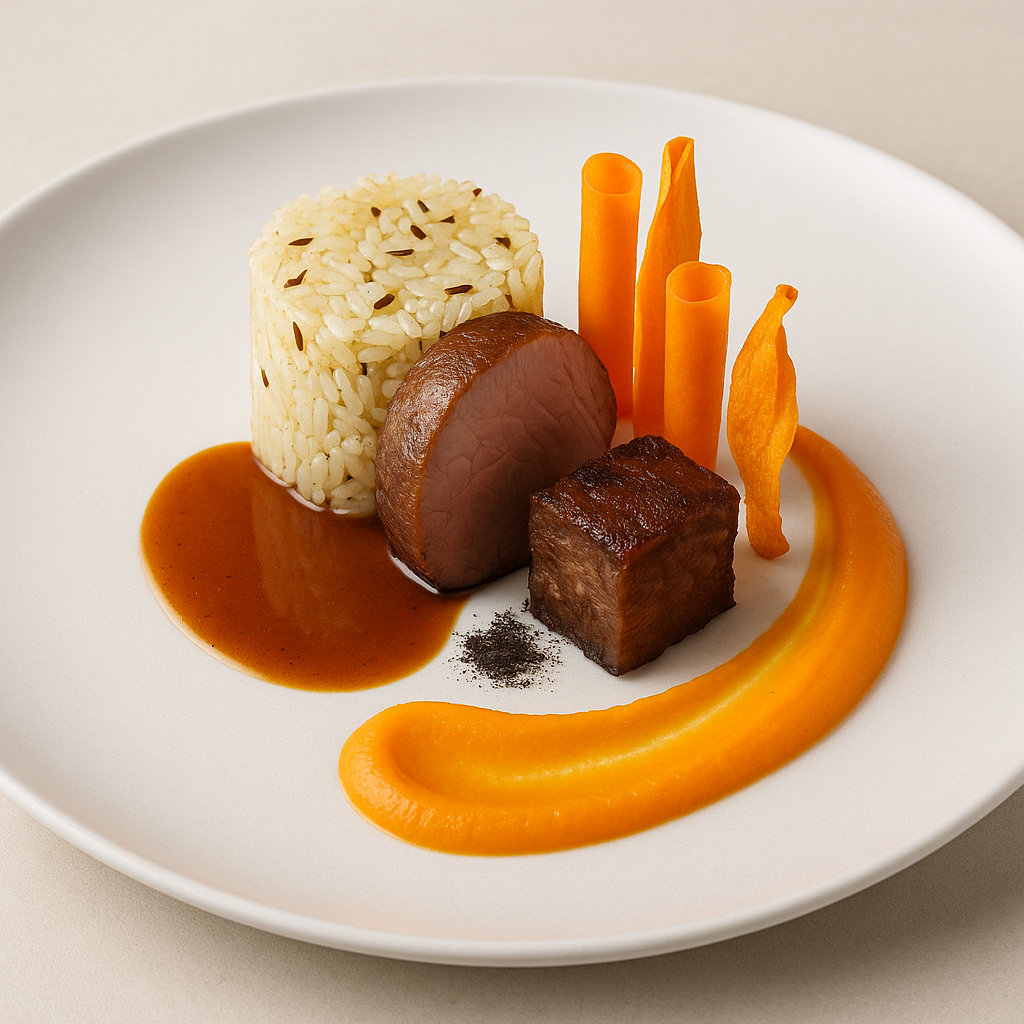
Adobo is the most iconic and widely recognized dish of the Philippines. Long before Spanish colonization, indigenous Filipinos were already cooking meat and seafood in vinegar and salt as a natural method of food preservation in a tropical climate. Vinegar’s acidity slowed bacterial growth, allowing food to last longer without refrigeration.
When Spanish colonizers arrived in the 16th century, they observed this cooking technique and referred to it as adobo, derived from the Spanish word adobar, meaning “to marinate” or “to season.” Despite the shared name, Filipino adobo is entirely different from Spanish adobo and is considered a native culinary tradition rather than a colonial import.
Over time, soy sauce was introduced through Chinese trade, blending with vinegar to create the signature salty-sour balance that defines modern Filipino adobo. Garlic, bay leaves, and black pepper further enhanced the flavor, while regional variations developed using pork, chicken, seafood, or vegetables.
Traditionally cooked in small clay pots and served with steamed rice, adobo is valued for its bold flavor, simplicity, and ability to taste even better the next day. Today, it stands as a symbol of Filipino identity and resilience, representing how indigenous practices adapted over centuries while remaining central to everyday home cooking.