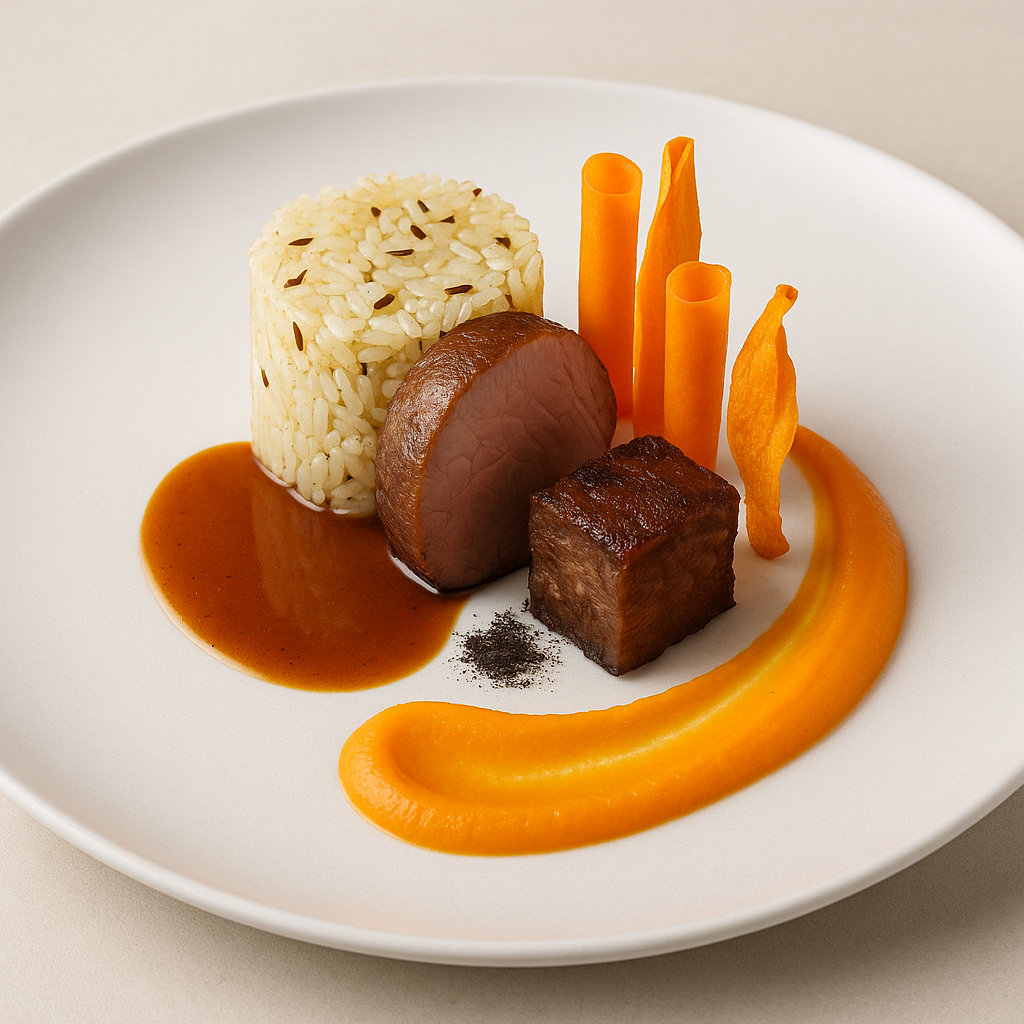
Verivorst with Mulgikapsad is a traditional winter and Christmas dish from Estonia and holds strong cultural significance in Estonian food traditions. Blood sausages (verivorst) have long been associated with the winter slaughter season, when preserving meat was essential for survival through the cold months. The use of blood, barley, pork, and marjoram reflects a resourceful approach to cooking, ensuring that no part of the animal was wasted.
Mulgikapsad, a slow-cooked combination of sauerkraut, barley, and meat, originates from the Mulgi region of southern Estonia and represents classic rural farmhouse cooking. Together, these dishes became firmly tied to Christmas celebrations, when families gathered to enjoy hearty, warming foods. Served with lingonberry jam, the meal balances richness with acidity and sweetness. Today, Verivorst with Mulgikapsad remains an essential part of Estonian Christmas tables and stands as a symbol of national identity, seasonal eating, and centuries-old culinary traditions.
Nutritional Facts
Per Serving (Approximate values)
% Daily Value
Calories serving
222 (kcal)
Total Fat
g
Saturated Fat
g
Unsaturated Fat
g
Trans Fat
g
Cholesterol
g
Sodium
g
Total Carbohydrate
g
Dietary Fiber
g
Sugars
mg
Protein
g
Values are based on standard ingredients and may vary