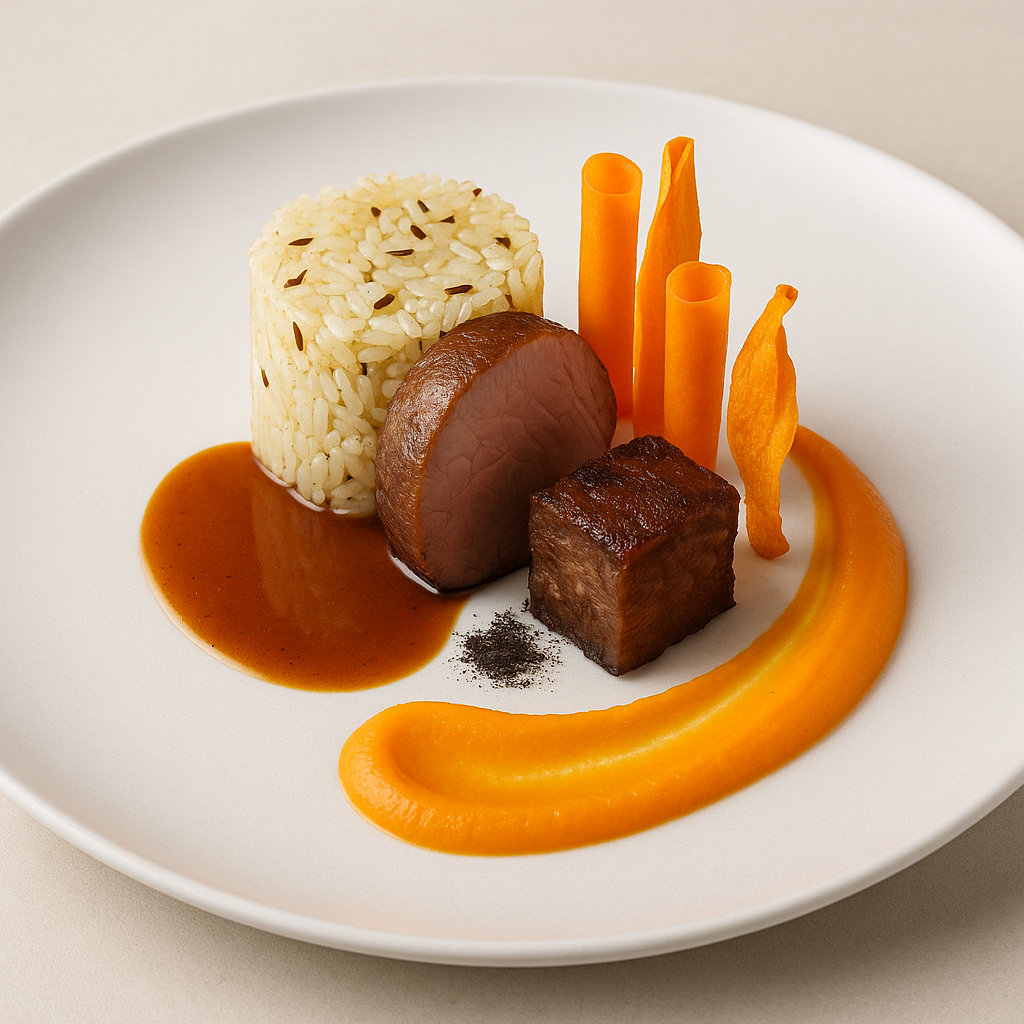
Poi is considered the national dish of the Solomon Islands and is one of the most traditional foods in the region. The dish is made from cooked taro roots that are pounded or blended into a smooth, elastic paste with water. Naturally pale purple in color, poi has a mild, delicate flavor that pairs well with richer dishes.
Taro has been cultivated in the Solomon Islands for thousands of years and remains one of the most important staple crops. Poi developed as a practical way to prepare taro into an easily digestible and filling side dish. It can be eaten fresh immediately after preparation or left to ferment naturally for several days, producing a tangier version known as sour poi.
The preparation of poi reflects ancient food practices shared across many Pacific Island cultures, where pounding root vegetables was common before the introduction of modern tools. In the Solomon Islands, poi is typically served alongside fish, stews, or roasted meats.
The broader cuisine of the Solomon Islands has evolved over more than 5,000 years of habitation. External influences also shaped local food traditions, including cattle introduced by the Spanish and spices, vegetables, and fruits brought through Asian and Indian trade connections. Despite these influences, poi remains a symbol of indigenous heritage, simplicity, and reliance on the land.