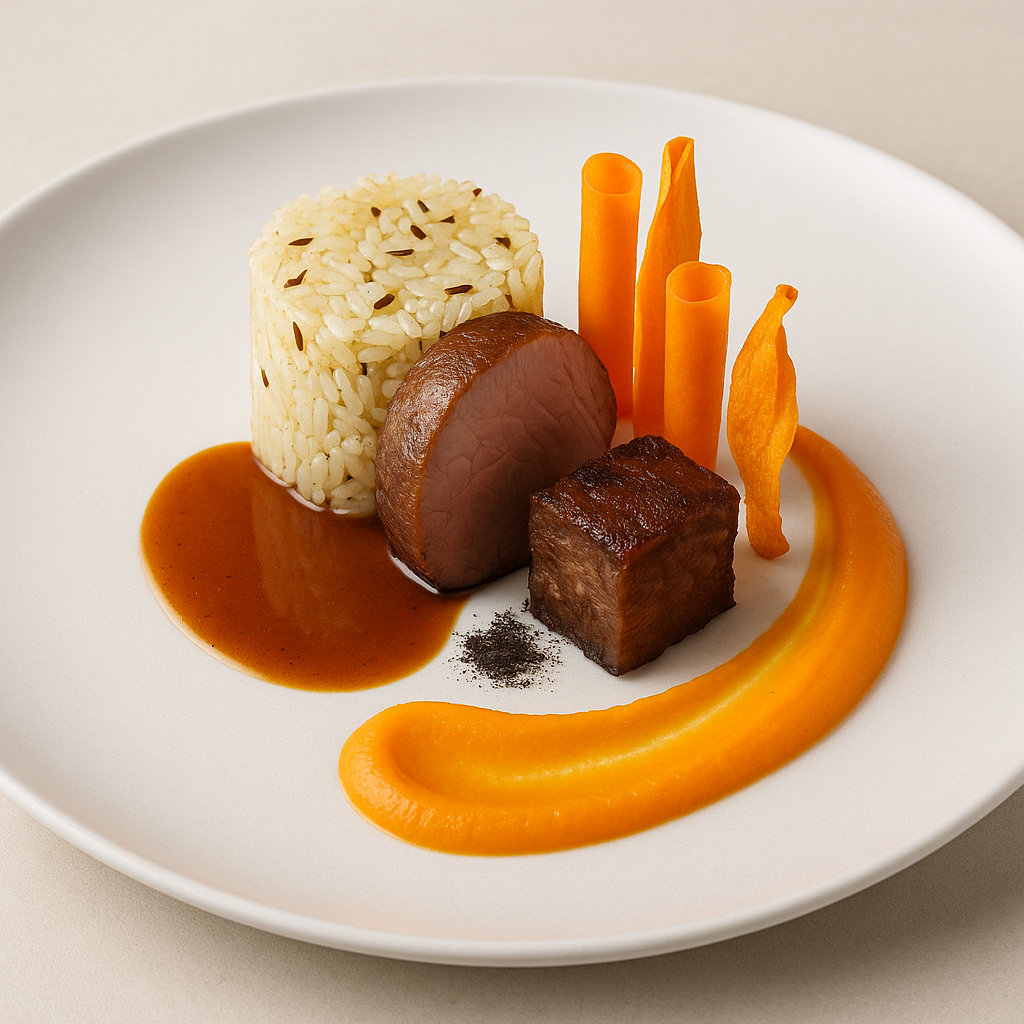
National Dish of Djibouti – Skoudehkaris

Skoudehkaris is a one-pot lamb and rice dish that is very popular in the small African nation of Djibouti. The country used to be a French colony at one point in time and due to this, its cuisine has French influence.

Servings

4 Person

Prep Time

20 Min

Cook Time

60 Min

Total Time

80 Min

1 lb.
lamb meat
½ cup
long grained white rice
1
onion (peeled and chopped)
1 tbsp.
ghee / vegetable oil
1 tsp.
whole cloves
¼ tsp.
cayenne pepper powder
½ tsp.
ground cinnamon
cumin powder
cumin powder
cumin powder
cumin powder
1 tsp.
ground cardamom
15 oz.
can of diced tomato
Salt & Pepper
Water
Cilantro leaves (chopped)

Skoudehkaris is a one-pot lamb and rice dish that is very popular in the small African nation of Djibouti. The country used to be a French colony at one point in time and due to this, its cuisine has French influence.

Directions for Preparing Skoudehkaris

  1. Heat a Dutch oven pot medium-high, then add the ghee or oil.
  2. Sauté the chopped onions in the ghee together with cumin, cinnamon, cloves, cardamom, and cayenne pepper. Cook until the onions are soft and translucent.
  3. Cut the lamb meat into cubes using a sharp knife. Put the lamb meat into the pot and toss with the sautéed onions and spices.
  4. Brown the lamb and then add the canned tomatoes. Season with pepper.
  5. Pour in water to cover the meat, and Place the pot in an oven preheated to 350 degrees °F.
  6. After forty-five (0:45) minutes, test the tenderness of the lamb. Adjust cooking time and add more water if necessary.
  7. When the meat is tender, remove the pot from the oven and place it on the stove over medium-high heat.
  8. Rinse the rice in water and add it to the pot.
  9. Stir everything together, season with salt, and cover the pot.
  10. Allow to cook for about fifteen (0:15) minutes or until the rice is tender, and sticky, and all the water has been absorbed.
  11. Spoon the cooked meal onto serving plates, garnish with the chopped Cilantro leaves, and Serve the Skoudehkaris dish hot.
Djiboutian cuisine is a mixture of Somali, Afar, Yemeni, and French cuisine, with some additional South Asian (especially Indian) culinary influences. Local dishes are commonly prepared using a lot of Middle Eastern spices, ranging from saffron to cinnamon.


Canada National dish

Skoudehkaris is a traditional one-pot rice and lamb dish from Djibouti and is one of the most well-known meals in Djiboutian home cooking. The dish reflects the country’s geographic and cultural position at the crossroads of East Africa, the Middle East, and former French colonial influence. Its use of lamb, rice, and aromatic spices such as cumin, cardamom, cloves, and cinnamon shows strong connections to Somali, Afar, Yemeni, and broader Middle Eastern culinary traditions.

Historically, Skoudehkaris developed as a communal, nourishing meal suited to family gatherings and everyday cooking, where meat and rice are cooked together to maximize flavor and efficiency. The one-pot method also reflects practical cooking traditions in the region. French colonial presence contributed to the use of structured cooking methods and cookware, while South Asian spice influences added further depth. Today, Skoudehkaris remains a staple of Djiboutian cuisine, symbolizing the country’s layered cultural history and its rich blend of regional flavors.

Related Recipe

20295 Views
January 31, 2026
Callaloo is the national dish of Trinidad and Tobago. It is a thick stew with the consistency of a soup. Callaloo is made from dasheen leaves and cooked with an assortment of herbs and spices. Traditionally, crabs are included in Callaloo, but meats such as chicken and salted pork can also be incorporated in the stew. Callaloo can be eaten alone but it is also commonly eaten with macaroni pie, a Caribbean pasta dish.
31 Views
January 30, 2026
Explore the refreshing Sorrel Drink, Dominica’s national hibiscus beverage, and its cultural significance in the Caribbean.
30 Views
August 14, 2025
Lachcha Paratha is a popular Indian flatbread known for its crispy, flaky layers. Traditionally made with a mix of whole wheat flour and oil, this delicious paratha pairs perfectly with curries, yogurt, or even on its own with some butter.

User Area