5 Person
15 Min
30 Min
45 Min
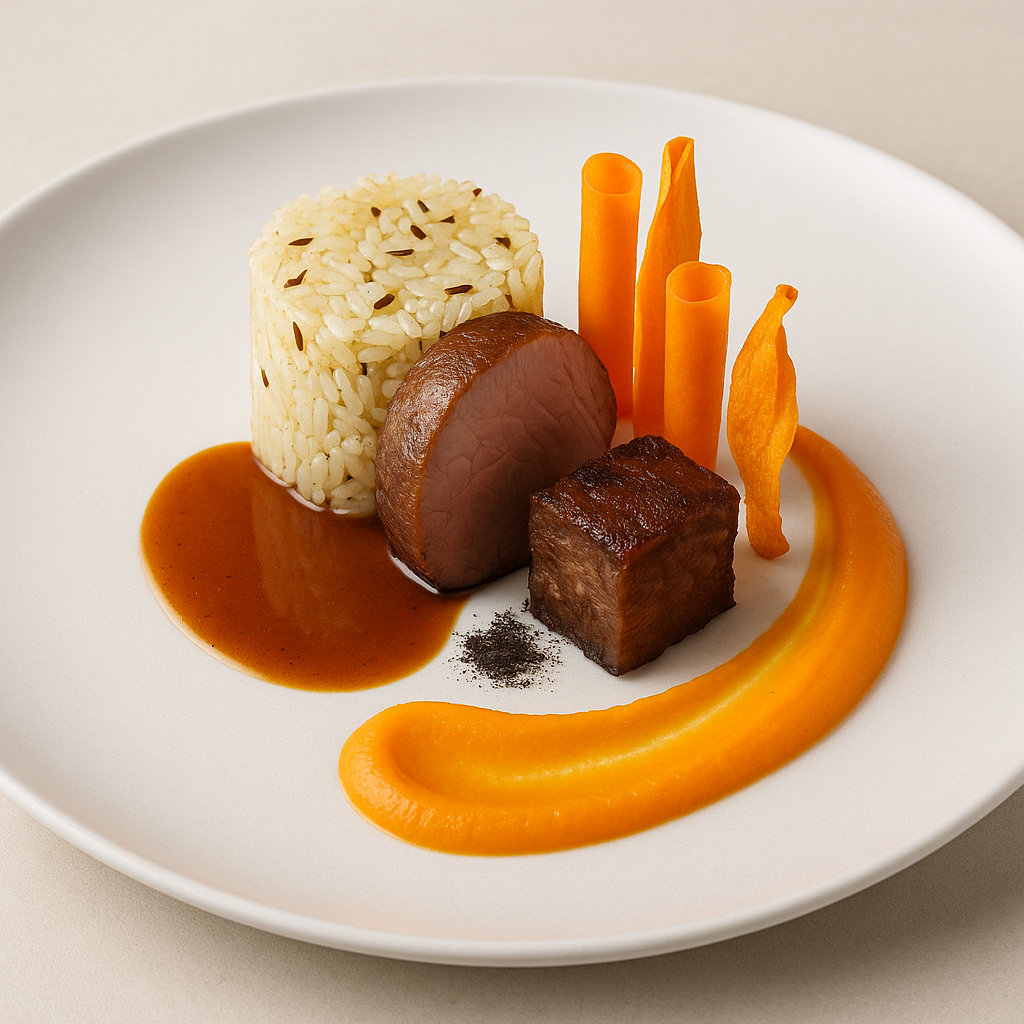
Rice (Rice and Curry) is the main staple in Sri Lankan cuisine. It is eaten either boiled or steamed. Rice is typically eaten with vegetables, meat, or fish curries. Sri Lankan curries are spicy and infused with the characteristic flavors of turmeric and coconut milk.
Kiribath is rice cooked in salted coconut milk until the grains turn soft and porridge-like. Generally eaten for breakfast.
Kottu is a spicy stir-fry of shredded roti bread with vegetables. Optional ingredients include eggs, meat, or cheese.
Hoppers are based on a fermented batter, usually made of rice flour and coconut milk with spices.
String hoppers are made from hot-water dough of rice meal or wheat flour.
A Dutch Burgher-influenced dish, lamprais is rice boiled in stock accompanied by meatballs, a mixed meat curry, blachan, aubergine curry, and seeni sambol. All of this is then wrapped in a banana leaf and baked in an oven.
Kool is a seafood broth from Jaffna containing crab, fish, cuttlefish, prawns, and crayfish. It also contains long beans, jak seeds, manioc, spinach, and tamarind.
Pittu is a cylinder of steamed rice mixed with grated coconut.
Gothamba roti is a simple Sri Lankan flatbread usually made from wheat flour. Variants of roti include thengappu roti, in which shredded coconut is mixed into the dough. Another variant is Uraippu roti (spicy roti), in which chopped onions and green chilies are used when making the dough.
Canada National dish
Rice and Curry is the foundation of daily meals in Sri Lanka and represents the core of the nation’s culinary identity. Rice has been cultivated on the island for over two thousand years, supported by an advanced ancient irrigation system that made rice farming central to Sri Lankan civilization.
Unlike a single dish, Rice and Curry refers to a complete meal structure. Steamed or boiled rice is served with several curries, which may include vegetables, fish, meat, lentils, and sambols. Sri Lankan curries are distinct from Indian curries, characterized by bold heat, aromatic curry leaves, turmeric, and generous use of coconut milk.
The flavors reflect centuries of trade and cultural exchange with South India, Southeast Asia, and European colonizers, while still maintaining a uniquely Sri Lankan balance of spice and freshness. Coconut, grown abundantly across the island, became a defining ingredient, lending richness and mild sweetness to curries.
Rice and Curry is eaten across all regions and social classes, from simple home meals to elaborate festive spreads. It embodies balance, variety, and nourishment, making it not just a national dish, but a daily expression of Sri Lankan life and tradition.